Employer Branding in Sri Lanka: Evolution of Social Media and Embracing the Role of Team
Role of Team Member Employer branding is not just about being an employer; it’s about being a partner, a mentor,


Role of Team Member Employer branding is not just about being an employer; it’s about being a partner, a mentor,

“HR is more than a department; it is a fundamental pillar of business operations.” In the realm of business operations,

SLTC Research University (Sri Lanka Technology Campus) has taken a significant step towards enhancing student career prospects by partnering with

In today’s dynamic work environment, effective HR management requires more than traditional practices—it demands strategic foresight, innovative thinking, and a

Being an HR leader isn’t just about managing employees; it’s about fostering business growth and innovation. Manoj Rathnayake, the Group

In today’s rapidly evolving business landscape, the essence of effective leadership extends beyond traditional metrics of success. Leaders are no

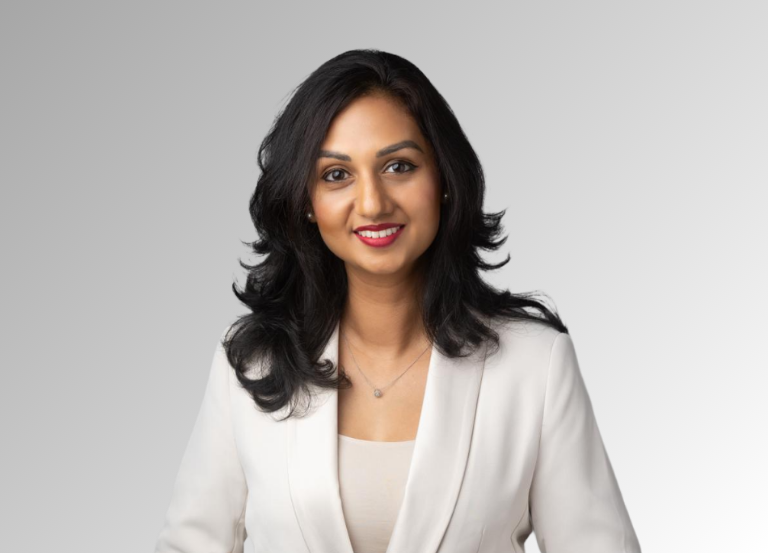
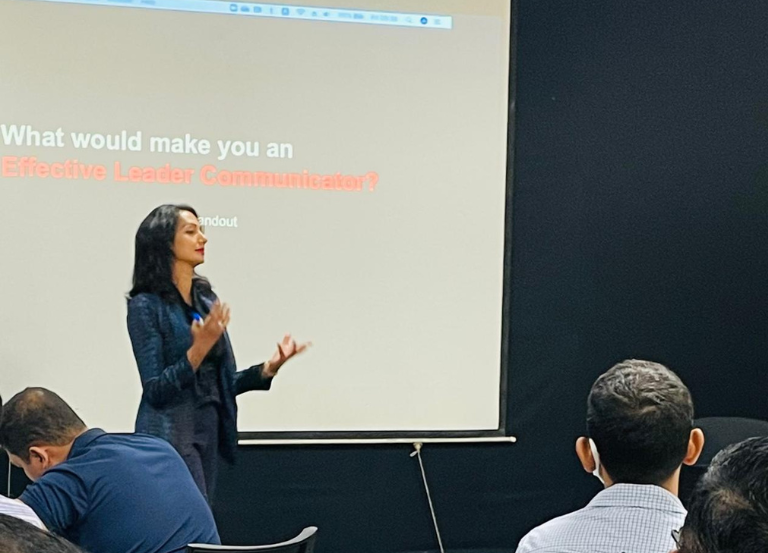
Standing tall in male-dominated spaces, addressing the elephant in the room, and being assertive while always maintaining political correctness is Ayanthi Philip. A Corporate Trainer who has made a name for herself in Leadership Communication and Women Empowerment, she has consistently achieved resounding success after every program, with companies continually requesting more training year after year.
Ayanthi has conducted training for universities and multinational companies such as the National Technical University Singapore, Marketing Institute of Singapore, DBU, Standard Chartered Singapore, Unilever Asia, Sun Resorts Mauritius, and a host of other multinational corporations. Her experience is extensive, encompassing a wide range of audiences from Management Trainees to Senior Leadership, from young Egyptian Sales Girls to Senior Bankers in Singapore.
It is this diverse exposure, combined with her global accreditations, that Ayanthi brings to her engaging and interactive Corporate Trainings.
We sat down with Ayanthi Philip to understand her motivation to uplift people every day and what inspires her journey.
What do you feel gives you an edge in Corporate Training in Sri Lanka?
I have always adhered to the philosophy,
If you are eligible and competent, learn from the best in the world and bring that world-class expertise back to Sri Lanka.
I strive for excellence and prefer working with companies that share my commitment to high standards. Why settle for mediocrity when you can be more and do more!
My unique advantage lies in my experience working in three multinational companies during my ten-year corporate career: MAST Industries (USA), MAS Holdings, and Marks and Spencer. This experience allows me to connect deeply with corporate audiences and understand their challenges. I can certainly relate, having been in their shoes.
After Corporate, I decided to transition my career to corporate training, coaching and consulting. I conducted thorough research and collaborated with one of the leading corporate training companies in Asia at the time, establishing it in Sri Lanka. I honed my training skills under the guidance of this experienced team and gained global exposure.
During the COVID-19 pandemic, I delved into global online training, becoming certified as a Leadership Communication Coach by INSEAD. I also enrolled in one of the top coach training institutes in the world (Coactive, which Harvard declares as the Gold Standard in Coaching) and started my coaching practice. Additionally, I founded an institute called Business English.
You say you are a Certified Professional ICF Coach, trained by The Coactive Training Institute. Why Coactive?
There are several coaches out there with ICF qualifications and there is a pathway to simply be ICF qualified. Yet, I felt this is the shortest path to calling myself a coach. I wanted world class skills, coaches and mentors that would lead me to become a global coach working not just here in Sri Lanka, but the world over (even remotely). The Coactive coaching training course is an intensive one spanning for about 2 years with a difficult coaching examination at the end. Everyone who passes it, no doubt becomes a ‘powerful coach’.
A few months ago, after an arduous intake process of conducting sample coaching sessions, I was asked to join the American company, Talent Rise, where I will be joining a team of global coaches.
The Coaching industry is $1 trillion, with thousands of coaches out there. Yet there are only about 10,000 top coaches in the world who can command a premier fee for a one-hour session. It’s important to see where they get qualified from, and who they work with.
What is the difference in Coactive Coaching and Executive Coaching?
Several companies have requested my coaching services for individual senior leaders. This involves refining their skills and preparing them to represent the company effectively as ambassadors. In my view, this is training conducted on a one-on-one basis.
A coaching conversation is a confidential session where I use powerful questions (based on the pillars and principles of coactive coaching) to facilitate changes in perspectives and thoughts. It’s about transforming someone’s mindset. Common topics include team motivation, leadership development, business concerns, managing teams, burnout, stress, relationships, health, motivation, career goals, and various other challenges that can hinder personal and professional growth.
I focus on coaching the individual, not the problem, empowering them to take charge and persevere. During my three years as a coach, I’ve witnessed remarkable transformations in so many. It’s like seeing a completely different person, exuding confidence and self-assurance. This is incredibly rewarding!
We hear you have a great work ethic, and have a lot of passion for what you do; how did you hone this?
As a Corporate Trainer and Coach, I believe in leading by example and constantly striving for personal excellence.
When faced with challenges, I adopt a resilient approach: get up, keep going, and try a different method!
I’m inspired by the strong work ethic I see in those around me. My father, now 70, wakes up every day and cycles 16 kilometers. He worked tirelessly as a pilot for 43 years without taking a single sick day. I consider this exceptional and feel fortunate to have been influenced by him.
My mother, a vocal animal rights activist, has boldly confronted the President’s House and played a crucial role in halting ritual animal slaughter in Mulathiwu Kovil. She has dedicated 15 years to advocating for the Animal Rights Bill in Sri Lanka.
Our environment undoubtedly shapes us, and mine has certainly had a profound impact on me.
Where do you get inspiration from?
I’m inspired by my husband’s positivity and motivation, and by my sister’s career accomplishments. She successfully built her career, culminating in a move to Mauritius with her global bank, while also raising two young children.
Our family lunches often turn into lively discussions about corporate, social, political, and economic issues. It’s always entertaining and insightful!
I’m also inspired by my mentor coach, Alex Verlek, and the faculty at Coactive. These coaches exemplify excellence in all aspects of their lives: they are physically fit, have strong relationships, are successful in their careers, and are remarkable individuals with a passion for helping others.
How do you think the Coaching Industry is taking shape in Sri Lanka?
The Executive Coaching industry in Sri Lanka is taking shape slowly, but surely with more ICF coaches spreading their wings. Its important to understand the distinctions between training, coaching, and mentoring, as each requires a unique set of skills.
What are your top training programs at the moment?
All of these programs are tailored to meet the specific needs of each client. Every company has a distinct culture and learning requirements. While I continually learn and stay updated on the latest research and training methods, I’m mindful of Sri Lanka’s unique cultural context. Topics such as assertive skills, giving feedback, positive intelligence, managing stress in leadership, hard and difficult conversations have seen increased demand.
Having conducted training and coaching for over a decade with some of the world’s top companies, what advice would you give to Talent Development Professionals?
Conduct regular focus groups and surveys to identify the true training needs of employees and align them with the company’s vision and goals. After conducting a thorough needs analysis and research, incorporate customized case studies into the training. Speak with the potential participants, their line managers and HR, and have an understanding of their perspectives on each of the training topics, competency gaps, and the growth areas they see for the team. It’s important to bring these perspectives together when designing a workshop. There also needs to be a clear understanding of the key takeaways, learning outcomes, experience of the participants, what they have learnt already and what they may need to unlearn…a lot of research goes into my programs, all content being especially customized.
After the workshop, ensure follow up to assess how the skills and tools are being applied and identify personal implementation challenges. This is where post workshop coaching and conversations take place. Behavioral change in adults is possible when approached from a psychological perspective. I have found a training style of facilitation, the most effective, where I have the audience speak far more than I do. The participants are always the center and the VIP, it’s never about me or my stories.


