Employer Branding in Sri Lanka: Evolution of Social Media and Embracing the Role of Team
Role of Team Member Employer branding is not just about being an employer; it’s about being a partner, a mentor,


Role of Team Member Employer branding is not just about being an employer; it’s about being a partner, a mentor,

“HR is more than a department; it is a fundamental pillar of business operations.” In the realm of business operations,

SLTC Research University (Sri Lanka Technology Campus) has taken a significant step towards enhancing student career prospects by partnering with

In today’s dynamic work environment, effective HR management requires more than traditional practices—it demands strategic foresight, innovative thinking, and a

Being an HR leader isn’t just about managing employees; it’s about fostering business growth and innovation. Manoj Rathnayake, the Group

In today’s rapidly evolving business landscape, the essence of effective leadership extends beyond traditional metrics of success. Leaders are no

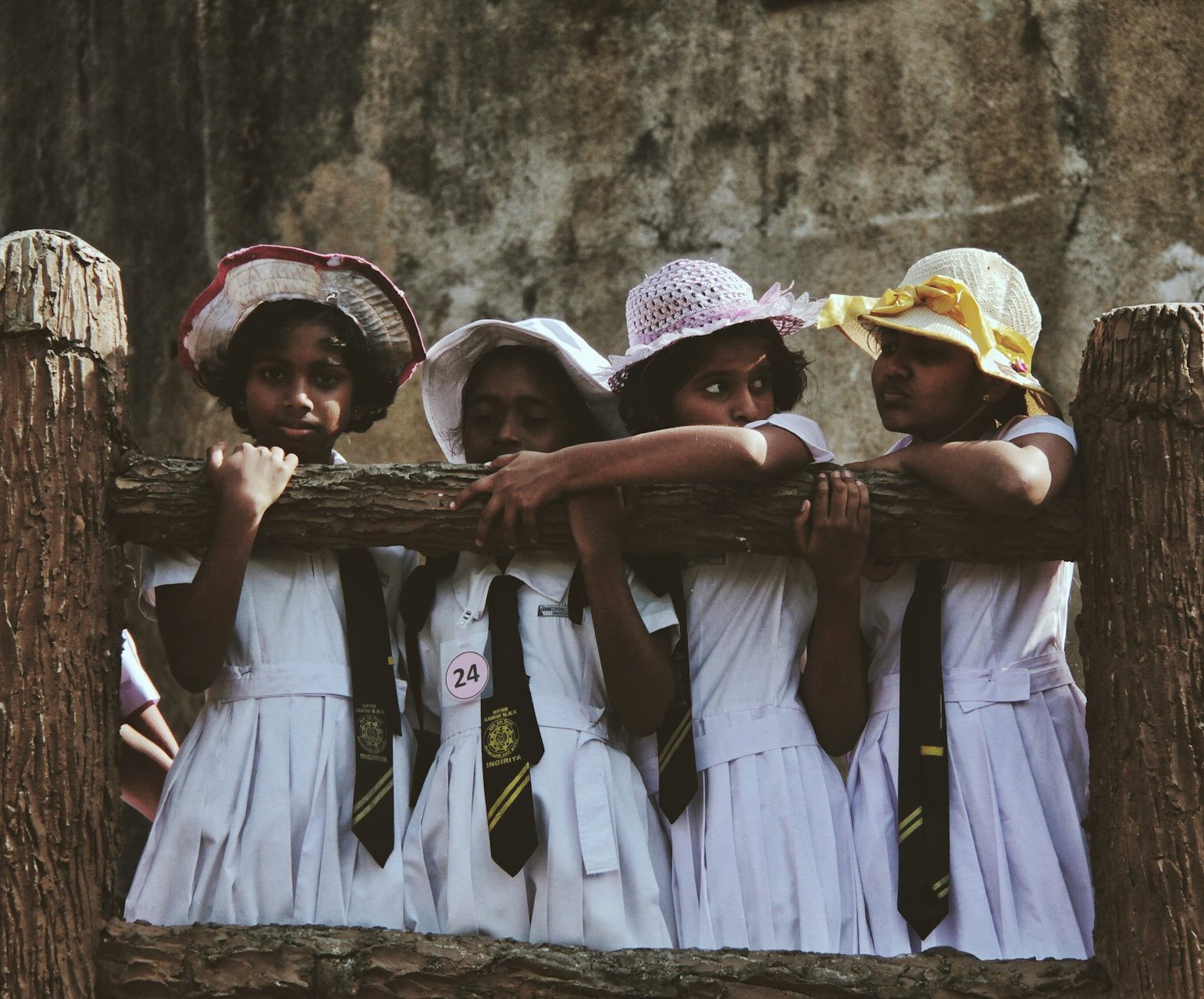
Education is the foundation upon which a nation’s future is built. In Sri Lanka, the education system has long been geared towards producing a labor force to meet the market’s needs. However, as the world rapidly evolves, this approach is no longer sufficient. The crucial issue – the need for the education system to shift its focus from producing mere laborers to nurturing and developing talent.
Think of the education-to-employment system as a highway, where three drivers—educators, employers, and young people—all want to get to the same destination. There are three critical intersections—when young people enroll in postsecondary education, when they build skills, and when they seek work. At every point, each driver needs to take account of the others to keep moving safely and efficiently. Our research, however, shows that doesn’t usually happen. Instead, drivers don’t take one another into account, proceeding obliviously in their own lanes, or they collide, leaving everyone worse off than when they started.
-McKinsey
Sri Lankan education system is still producing labor for the market, a need that was relevant four decades ago. Today, the job market demands more than just a skilled workforce; it requires individuals who can think critically, innovate, and adapt to the changing landscape. Unfortunately, many of Sri Lanka’s graduates are finding themselves unemployable, unable to meet the evolving demands of the job market.
The root of this problem lies in the outdated curriculum, teaching methods, and assessment practices prevalent in the country’s education system. Students are often required to memorize vast amounts of information ( some are obsolete), with little emphasis on developing practical skills, problem-solving abilities, or creative thinking. This approach may have been sufficient in the past, but it no longer aligns with the needs of the modern economy. Countries like Singapore, Germany and Finland which are advanced in their education system have done away with exams up to grade ten, The assessments are more particle so that the students learn to relate to reality form very young age.
To address this issue, Sri Lanka must undergo a fundamental, if not radical transformation in its education system. The focus should shift from producing a labor force to nurturing and developing talent. This means rethinking the curriculum, teaching methods, and assessment practices to better align with the skills and competencies required in the 21st-century unknown job market. When the job market is unknown the education system must shape the minds and not fill the minds with obsolete material, Chape the minds to be agile and adaptable so they are prepared for the future.
One key aspect of this transformation should be a greater emphasis on STEM (Science, Technology, Engineering, and Mathematics) education. These fields are crucial for driving innovation and technological advancements, which are essential for Sri Lanka’s economic growth and development. By investing in STEM education, the country can cultivate a generation of problem-solvers, critical thinkers, and creative innovators who can contribute to the nation’s progress.
Additionally, the education system should place greater emphasis on developing soft skills, such as communication, collaboration, and adaptability. These skills are increasingly valuable in the modern workplace, where employers seek individuals who can navigate complex challenges, work effectively in teams, and adapt to changing circumstances. To achieve this, the curriculum should incorporate more project-based learning, hands-on experiences, and opportunities for students to engage in real-world problem-solving. This approach not only helps students develop practical skills but also fosters a sense of ownership and engagement in their learning process.
Furthermore, the assessment methods should be revised to move beyond traditional exams and focus on evaluating the application of knowledge and the development of critical thinking and problem-solving skills. This shift can help identify and nurture the talents of students, rather than simply rewarding those who excel at memorization. The transformation of Sri Lanka’s education system will require a collaborative effort involving policymakers, educators, industry leaders, and the broader community. It will also require a long-term commitment to investment and reform, as changing deeply entrenched educational practices can be a challenging and gradual process.
However, the potential benefits of this transformation are immense. By nurturing talent and equipping students with the skills and competencies needed in the modern world, Sri Lanka can unlock the full potential of its youth and position itself as a hub of innovation and economic growth. This, in turn, can lead to greater employment opportunities, higher standards of living, and a more prosperous future for the country as a whole.
In conclusion, it is time for a paradigm shift, where the focus shifts from producing laborers to nurturing and developing talent. By embracing this transformation, Sri Lanka can empower its students to become the driving force behind the nation’s progress and prosperity.


