Employer Branding in Sri Lanka: Evolution of Social Media and Embracing the Role of Team
Role of Team Member Employer branding is not just about being an employer; it’s about being a partner, a mentor,


Role of Team Member Employer branding is not just about being an employer; it’s about being a partner, a mentor,

“HR is more than a department; it is a fundamental pillar of business operations.” In the realm of business operations,

SLTC Research University (Sri Lanka Technology Campus) has taken a significant step towards enhancing student career prospects by partnering with

In today’s dynamic work environment, effective HR management requires more than traditional practices—it demands strategic foresight, innovative thinking, and a

Being an HR leader isn’t just about managing employees; it’s about fostering business growth and innovation. Manoj Rathnayake, the Group

In today’s rapidly evolving business landscape, the essence of effective leadership extends beyond traditional metrics of success. Leaders are no

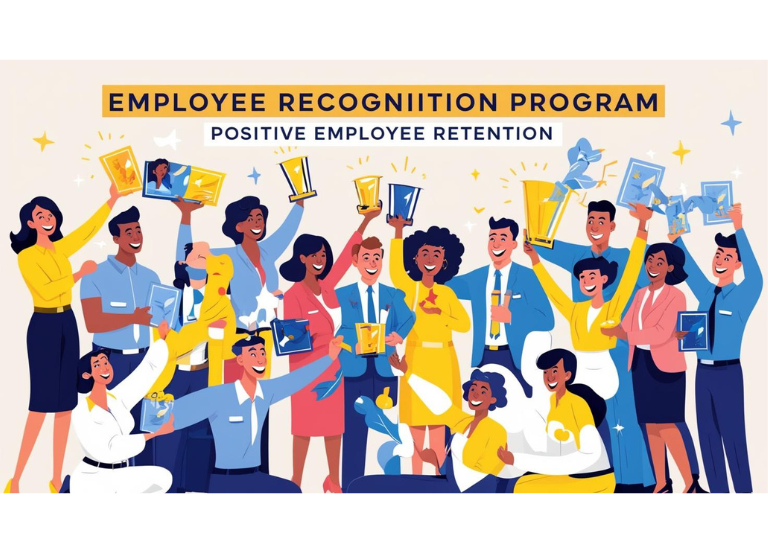
In today’s highly competitive job market, especially in Sri Lanka, organizations are continually looking for ways to retain their top talent. One of the most effective yet often overlooked tools for employee retention is a robust Employee Recognition Program. When employees feel appreciated and valued, they are more likely to stay engaged and committed to their organization. Let’s explore how employee recognition programs can significantly impact retention rates in the Sri Lankan context and foster a positive organizational culture.
Recognition programs help employees feel like an integral part of the organization. When employees are regularly acknowledged for their contributions, it reinforces the idea that their efforts matter and contribute to the company’s success. This feeling of value is crucial in Sri Lanka, where loyalty to an organization and long-term employment are often highly valued in local culture.
For example, companies like Hayleys Group and Dialog Axiata have long-running recognition programs where employees are celebrated for their hard work. In such companies, employee recognition through awards or public appreciation fosters a deep sense of belonging. When employees see that their work is recognized, they are more likely to stay with the company, feeling connected to the organization’s growth and goals.
Job satisfaction is one of the key factors influencing employee retention, especially in Sri Lanka’s growing but often competitive job market. Recognition programs directly impact how satisfied employees feel with their roles. Simple gestures, such as a thank-you note from a manager, personalized appreciation during team meetings, or annual recognition ceremonies, can significantly enhance job satisfaction.
For instance, Sri Lankan companies like SriLankan Airlines have introduced annual awards where employees are recognized for their exceptional performance. Such programs not only boost morale but also encourage employees to stay motivated and committed to their roles, knowing that their hard work will not go unnoticed.
Employee engagement is critical for both productivity and retention. An engaged employee is one who is emotionally invested in their work and motivated to contribute to the success of the company. Recognition programs are one of the most effective ways to drive engagement.
In Sri Lanka, where the workplace culture is gradually evolving, recognition has become an essential tool in driving engagement. John Keells Holdings, one of the largest conglomerates in Sri Lanka, has integrated recognition into its organizational culture through initiatives like “Employee of the Month” and special recognition during team events. These initiatives not only boost morale but also foster a culture of collaboration and innovation, where employees feel motivated to contribute their best.
Engaged employees are more likely to stay with their employers, thereby reducing turnover rates and promoting long-term retention.
Employee recognition programs help reinforce desired behaviors and performance by rewarding individuals for actions that align with the company’s values and objectives. When employees are publicly recognized for achieving specific targets or exhibiting positive behaviors, it creates a positive feedback loop that encourages them to continue demonstrating those behaviors.
For instance, a company like MAS Holdings, one of Sri Lanka’s leading apparel manufacturers, implements recognition for teams that achieve sustainability goals or go above and beyond in operational excellence. Employees who are recognized for their exceptional work in environmental sustainability or operational efficiency are more likely to continue those behaviors. The result is a workforce that remains committed to the company’s long-term success, and retention becomes a natural outcome.
Employee turnover is a significant challenge for many organizations, especially in Sri Lanka’s competitive job market. Recruitment, onboarding, and training new employees can be expensive and time-consuming. By implementing an effective recognition program, companies can reduce turnover and retain their talent for longer periods.
For example, Ceylon Tea Services has an employee recognition program that not only appreciates performance but also creates a sense of pride in working for the company. Employees who are consistently appreciated are less likely to leave for better opportunities, helping the company save on recruitment costs. Additionally, organizations with strong retention rates develop a positive employer brand, which in turn attracts top talent.
By investing in recognition programs, Sri Lankan companies can retain valuable employees, avoiding the high costs associated with constant recruitment.
Employee recognition plays a crucial role in shaping a positive company culture. A culture of appreciation encourages collaboration, mutual respect, and teamwork. In Sri Lanka, where family-like organizational structures are often the norm, recognition programs can further enhance the sense of belonging and community within the workplace.
Organizations such as Nations Trust Bank and Dialog Axiata have fostered a culture of appreciation through initiatives like team-building events, employee of the quarter awards, and thank-you notes for individual accomplishments. In such organizations, employees who are consistently recognized for their contributions are more likely to continue working collaboratively, leading to a positive work environment.
When employees feel valued, they are more likely to take pride in their work and contribute to the overall success of the company, fostering a strong, positive company culture.
Employee recognition is a key driver of retention in Sri Lanka, where employees seek more than just a paycheck—they want to feel appreciated and valued for their contributions. Recognition programs are a simple yet highly effective way to keep employees motivated, engaged, and loyal to their employers.
As we’ve seen from examples like Hayleys Group, Dialog Axiata, and MAS Holdings, recognizing employees for their hard work can lead to improved job satisfaction, increased employee engagement, and a stronger organizational culture. Moreover, it reduces turnover, saves on recruitment costs, and contributes to the long-term success of the company. Investing in recognition programs is not just a “nice to have”; it’s a strategic tool for enhancing retention and creating a thriving workplace. For Sri Lankan companies looking to reduce turnover and retain their top talent, implementing an effective employee recognition program is an investment that will pay off in the long run.
#EmployeeRecognition #Retention #HR #SriLanka #EmployeeEngagement #WorkplaceCulture #HRPractices #HRStrategy #SriLankanBusiness


